
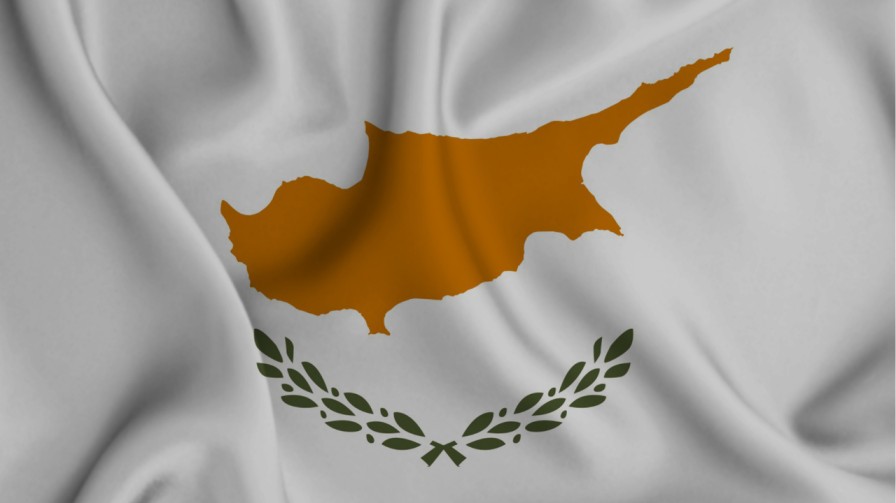
Cyprus is a beautiful Mediterranean island nation and a member of the European Union that is quickly becoming a top destination for international students. With its affordable tuition fees, English-taught programs, multicultural environment, and strategic location in Europe, Cyprus offers a perfect balance of quality education and lifestyle.
For students seeking a European degree without the extremely high costs of countries like the UK or USA, Cyprus stands out as an attractive and practical alternative.
Why Study in Cyprus?
Cyprus has steadily grown in popularity among international students due to its welcoming environment and strong academic system. It combines European-standard education with relatively low living costs, making it ideal for students from Africa, Asia, and other regions.
1. Affordable but Quality Education
One of the strongest advantages of studying in Cyprus is affordability. Despite offering internationally recognized degrees, tuition fees are relatively budget-friendly compared to most European destinations.
- Bachelor’s degrees: €3,000 – €8,000 per year
- Master’s degrees: €4,000 – €12,000 per year
- Specialized programs (Medicine, Dentistry, Pharmacy): €10,000 – €22,000+ per year
While tuition varies depending on the institution and program, Cyprus still remains significantly cheaper than countries like the UK, USA, or Australia.
2. Low Cost of Living
Another major benefit is the affordable lifestyle. International students can comfortably live in Cyprus on a moderate budget.
- Monthly living cost: €500 – €900
This typically includes:
- Accommodation
- Food and groceries
- Transport
- Utilities
- Personal expenses
Compared to most Western European countries, Cyprus offers a more relaxed and budget-friendly student life.
3. English-Friendly Education System
Cyprus is highly international in nature. Many universities offer full degree programs in English, which makes it easy for international students to adapt without needing to learn Greek.
In addition, campuses are diverse, hosting students from Europe, Africa, Asia, and the Middle East. This multicultural environment enhances networking and global exposure.
4. Work Opportunities for Students
International students in Cyprus are allowed to work part-time while studying, which helps reduce financial pressure and gain experience.
- Up to 20 hours per week during semesters
- Full-time during holidays
Common student jobs include:
- Hospitality (hotels and restaurants)
- Retail jobs
- Customer service
- Campus assistant roles
Although job availability may depend on location and skills, many students successfully find part-time work.
5. EU Recognition and Career Mobility
Degrees obtained in Cyprus are recognized across the European Union. This gives graduates the advantage of:
- Pursuing further studies in other EU countries
- Applying for jobs across Europe
- Access to international internships and career opportunities
This makes Cyprus not just a study destination, but a gateway to a global career.
Top Universities in Cyprus (2026)
Cyprus is home to both public and private universities offering high-quality education across different fields.
Public Universities
University of Cyprus (UCY)
The flagship public university in Cyprus, known for strong academic and research programs.
- Popular fields: Engineering, Business, Humanities, Social Sciences
- Tuition (non-EU students): ~€6,834 per year
Cyprus University of Technology (CUT)
Focused on practical and applied sciences.
- Popular fields: IT, Engineering, Nursing, Design, Health Sciences
Private Universities
University of Nicosia (UNIC)
The largest private university in Cyprus with strong international recognition.
- Popular fields: Medicine, Law, Business, Computer Science, Health Sciences
European University Cyprus (EUC)
Known for professional and career-focused education.
- Popular fields: Medicine, Psychology, Business, Law, Health Sciences
Frederick University
Offers specialized programs with a practical approach.
- Popular fields: Engineering, Maritime Studies, Design, Business
Neapolis University Pafos
A growing international university.
- Popular fields: Architecture, Law, Psychology, Real Estate
Note on Northern Cyprus Universities
Some institutions in Northern Cyprus (such as Cyprus International University and Eastern Mediterranean University) are popular among international students. However, students should always verify accreditation and EU recognition before applying, as recognition may vary depending on future career or migration plans.
Popular Courses in Cyprus (2026)
Cyprus offers a wide variety of programs tailored to global job markets.
Bachelor’s Programs
- Business Administration & Finance
- Computer Science & IT
- Engineering (Civil, Mechanical, Electrical)
- Tourism & Hospitality Management
- Psychology & Social Sciences
- Architecture & Design
- Law & International Relations
Master’s Programs
Graduate studies in Cyprus are highly attractive due to short duration and strong industry focus.
- MBA (Master of Business Administration)
- MSc in Data Science & Artificial Intelligence
- MSc in Computer Science & IT
- MA in Psychology & Education
- MSc in Public Health
- MSc in Tourism & Hospitality Management
- MSc in Environmental Management
📌 Duration: 1–2 years
📌 Intakes: September (main) and February (secondary in some universities)
PhD Programs
Cyprus also offers strong research-based doctoral programs.
- Duration: 3–5 years
- Fields: Business, Engineering, Psychology, Education, Computer Science
Admission Requirements
For Bachelor’s Programs
To apply for undergraduate studies, students generally need:
- High school certificate or equivalent (WAEC/12th grade)
- Academic transcripts
- English proficiency (IELTS/TOEFL may be required)
- Some universities accept internal English tests or proof of English instruction
For Master’s Programs
- Bachelor’s degree in a relevant field
- Academic transcripts
- Statement of purpose (SOP)
- Recommendation letters (in some cases)
- CV or resume
For PhD Programs
- Master’s degree
- Research proposal
- Academic references
- Interview (in some universities)
Student Visa Requirements for Cyprus
To study in Cyprus, international students must apply for a student visa and residence permit.
General Requirements
- Valid passport
- University admission letter
- Proof of funds
- Accommodation details
- Health insurance
- Police clearance certificate (in some cases)
- Completed visa application form
Students are advised to apply through the Cyprus embassy or consulate in their home country well before their program starts.
Student Life in Cyprus
Life in Cyprus is peaceful, safe, and student-friendly. The island offers a relaxed Mediterranean lifestyle combined with modern infrastructure.
Accommodation
- Shared apartments: €250 – €450/month
- Private housing: higher depending on location
Monthly Expenses
- Food & utilities: €150 – €300
- Transport: €20 – €40
Campus Life
Cyprus universities are known for active student communities. Students can enjoy:
- Cultural festivals
- Sports activities
- Student clubs and associations
- Social events and networking opportunities
The environment encourages both academic and personal development.
Scholarships and Financial Aid
Many universities in Cyprus offer scholarships to international students.
- Merit-based scholarships (up to 50–75% tuition reduction)
- Early application discounts
- Need-based financial assistance
- Talent-based scholarships (sports, arts, academics)
These scholarships make studying in Cyprus even more accessible.
Cyprus as a Gateway to Europe
One of the biggest advantages of studying in Cyprus is mobility. After graduation, students benefit from:
- EU-recognized qualifications
- Opportunities to apply for jobs across Europe
- Pathways to further studies in EU countries
- International career exposure
This makes Cyprus not just a study destination, but a strategic stepping stone to global opportunities.
Conclusion
Cyprus is a smart and affordable choice for international students seeking quality European education without the high cost of living. With English-taught programs, globally recognized universities, and a safe multicultural environment, it offers everything needed for academic success and personal growth.
Whether your goal is to build a career in Europe, gain international experience, or pursue high-quality education at a lower cost, Cyprus provides a balanced and rewarding pathway.